Our Comprehensive Services
We offer a range of personalized, evidence-based therapies designed to support every child's unique developmental journey and foster a blissful beginning.
1. ABA Therapy (Applied Behavior Analysis)
ABA is an evidence-based approach focused on understanding and improving socially significant behaviors. Our programs are highly individualized, teaching critical skills in communication, social interaction, academics, and self-help. We use positive reinforcement techniques to make learning fun and effective, helping children reach their full potential.
Learn More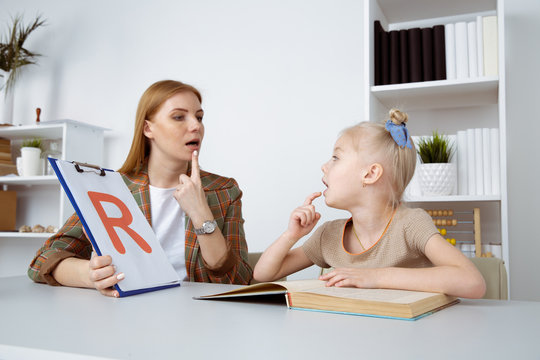
2. Speech Therapy
Speech-Language Pathologists help children with difficulties in speaking, listening, understanding language, reading, and non-verbal communication. We provide targeted interventions for articulation disorders, expressive/receptive language delays, fluency (stuttering), and voice disorders, ensuring your child can effectively communicate their needs and ideas.
Learn More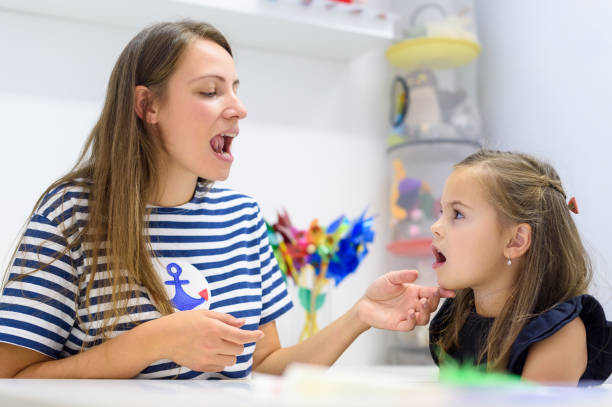
3. Occupational Therapy
Occupational Therapy helps children master the 'occupations' of childhood, such as playing, learning, and daily living skills. This includes improving fine motor skills (writing, cutting), gross motor skills, visual-perceptual skills, and self-care routines (dressing, feeding). We focus on enabling independent participation in all environments.
Learn More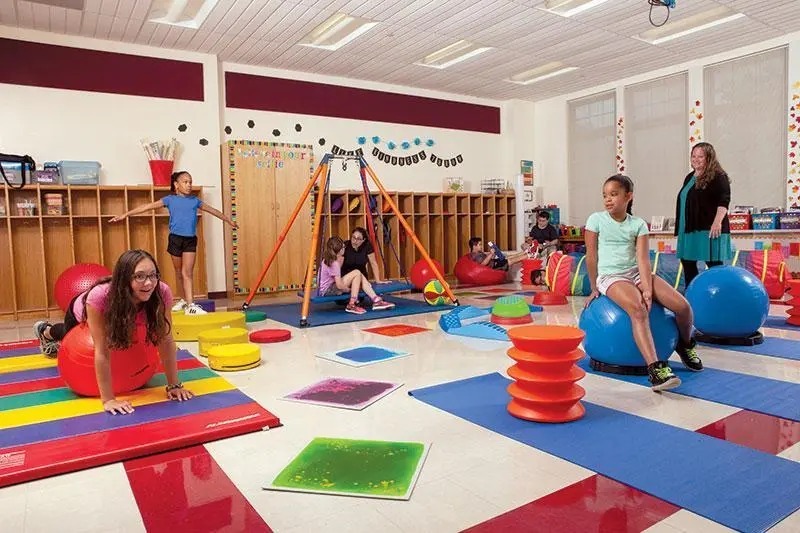
4. Physical Therapy (Pediatric Physiotherapy)
Pediatric Physical Therapy focuses on improving a child's gross motor skills, balance, coordination, strength, and endurance. This is vital for activities like sitting, crawling, walking, running, and playing. Our therapists use fun, age-appropriate activities to build foundational mobility and confidence.
Learn More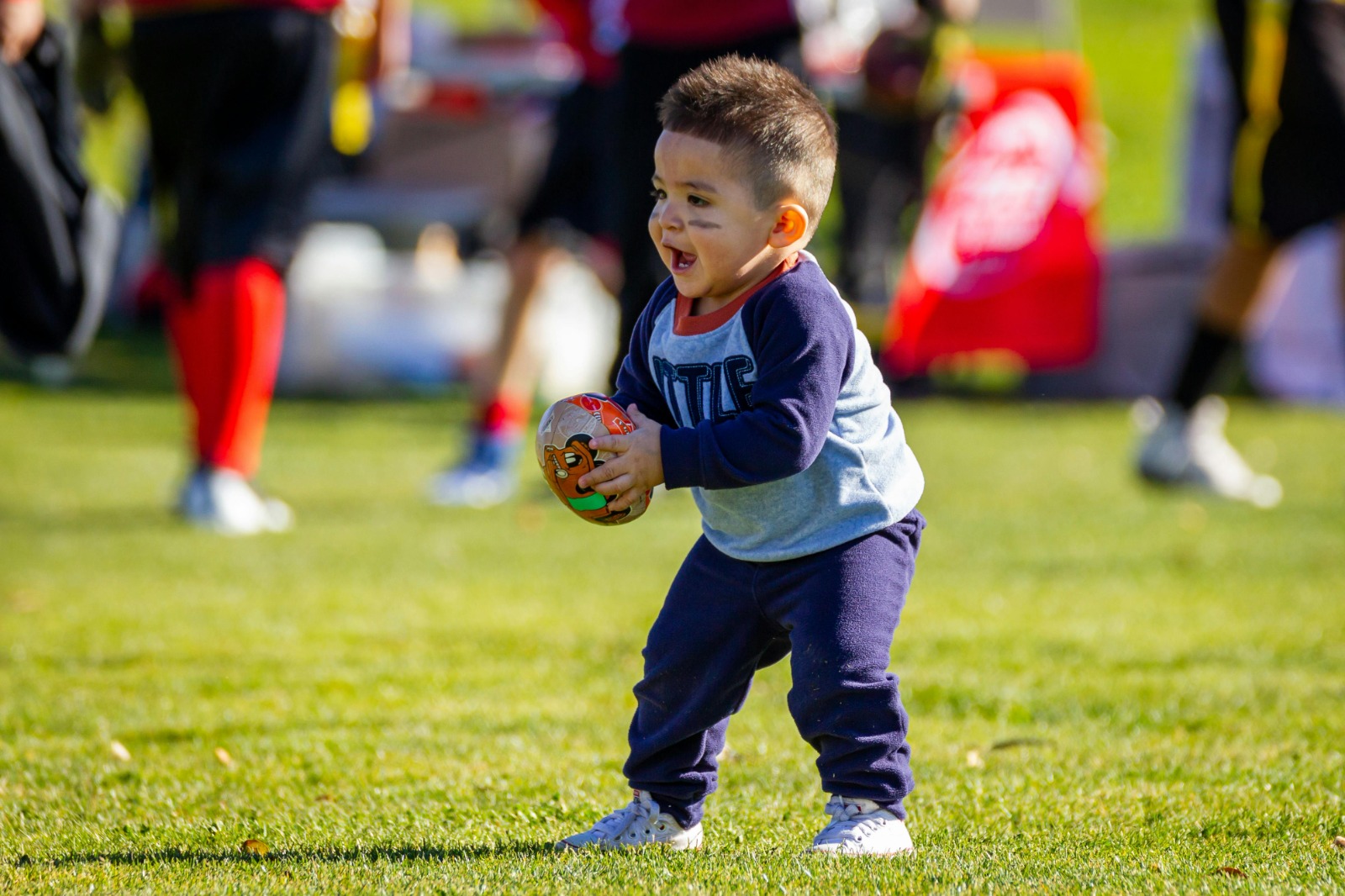
5. Language Therapy
Language Therapy helps children and adults develop the ability to understand and use words effectively. It focuses on improving vocabulary, sentence structure, and communication skills for everyday situations. Through guided conversations, play-based learning, and interactive exercises, a language therapist helps build confidence in expressing thoughts clearly and meaningfully.
Learn More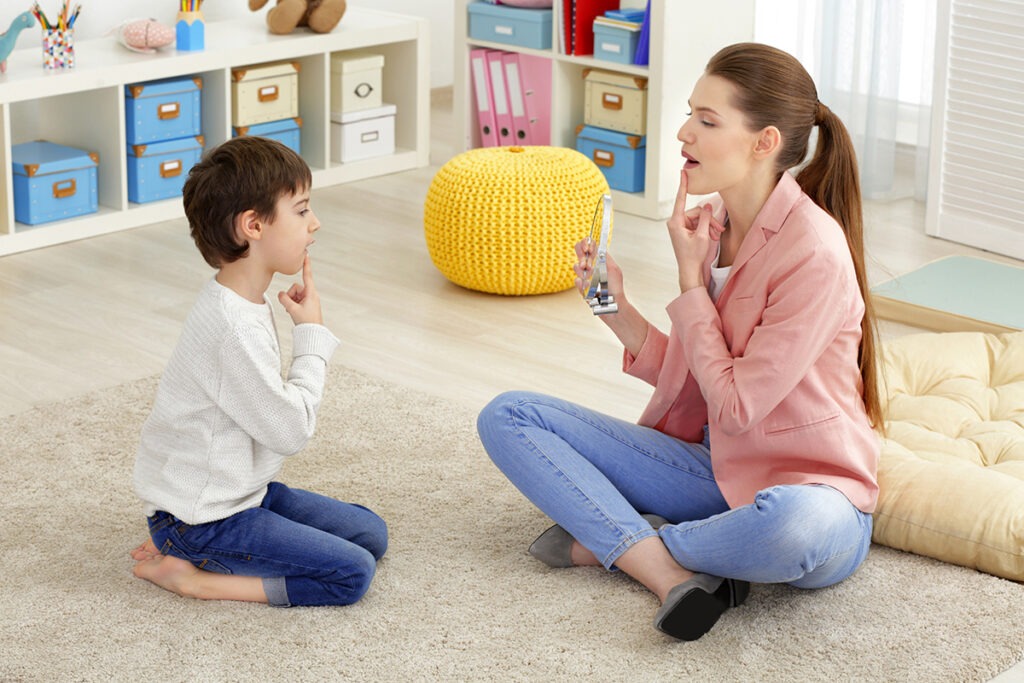
6. Special Education
Special education is a specialized form of teaching designed for children who learn differently because of developmental, learning, physical, or emotional challenges. It focuses on understanding each child’s strengths and needs, then creating an individual plan that includes adapted teaching methods, modified materials, and supportive services to help them participate and progress in school.
Learn More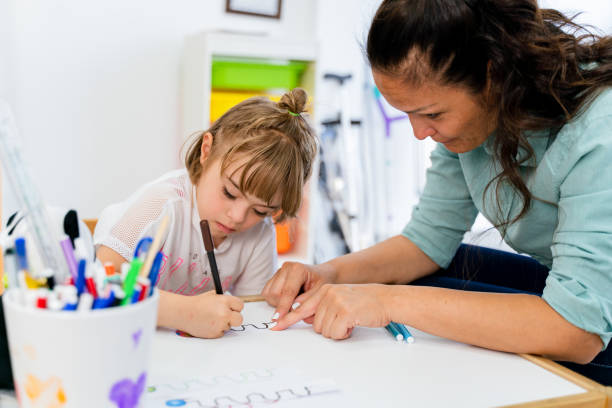
7. Sensory Integration Therapy
This therapy addresses difficulties children have processing sensory information (touch, sound, movement, smell, sight). By providing a specialized, controlled environment, we help children's nervous systems respond appropriately to sensory input, leading to improved attention, regulation, and functional behavior.
Learn More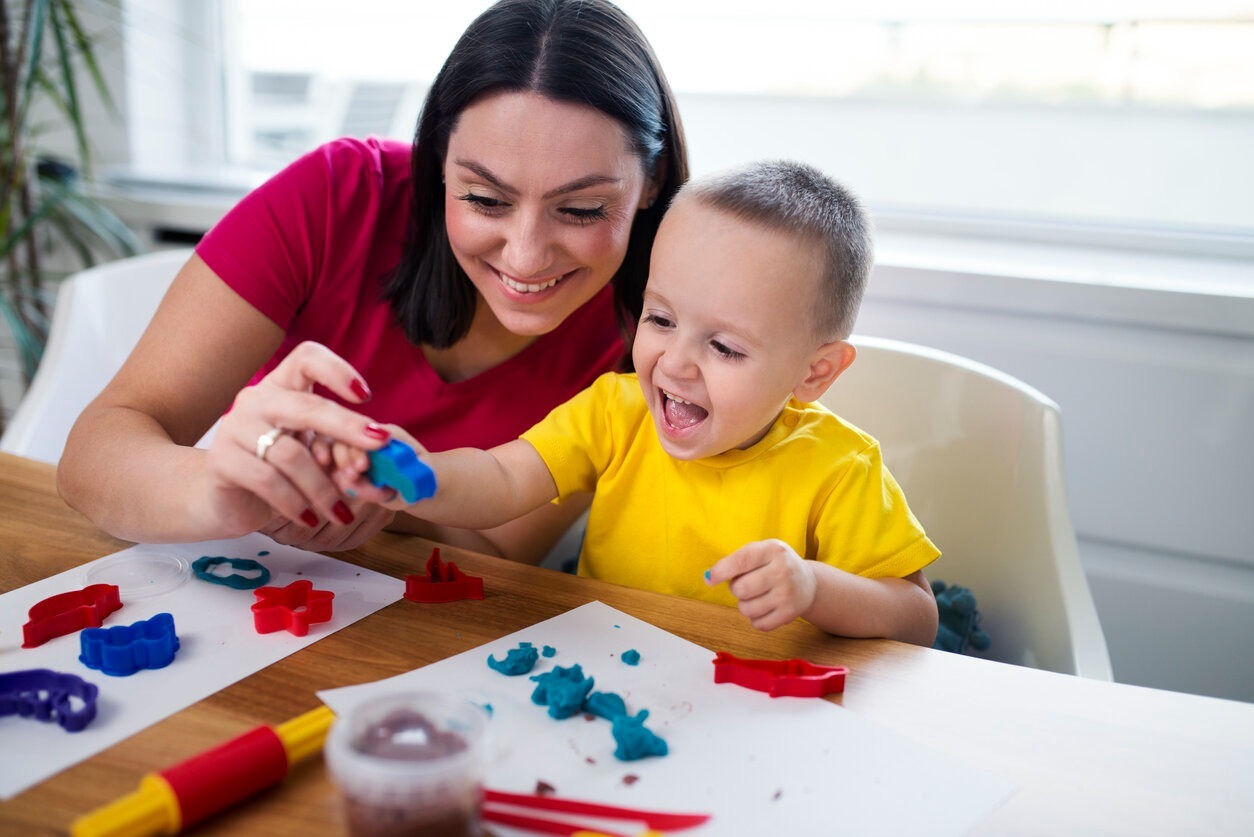
8. Life Social Skill Development.jpg
Life Social Skill Development focuses on helping a person learn how to interact confidently and appropriately in everyday situations, at home, school, work, and in the community. It usually includes skills like starting and maintaining conversations, understanding body language, sharing, taking turns, managing emotions, and solving small social problems calmly.
Learn More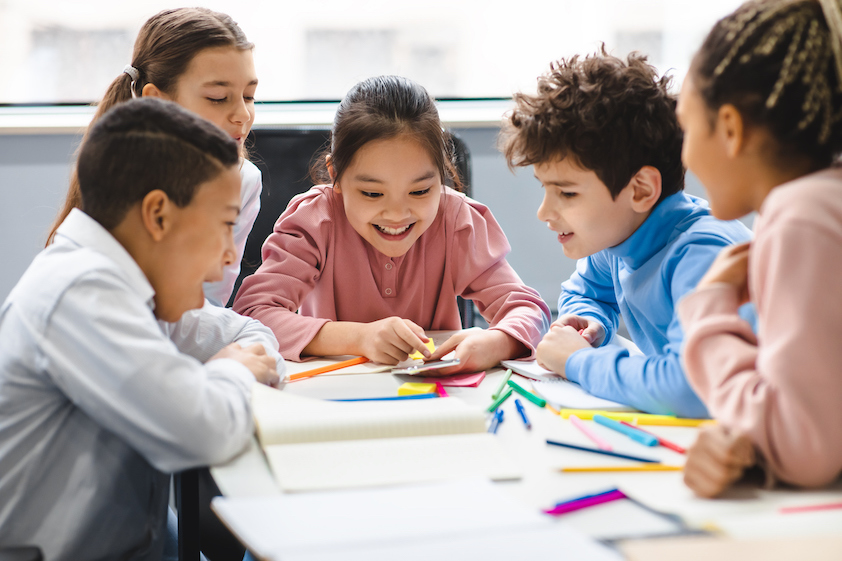
9. Group Sessions
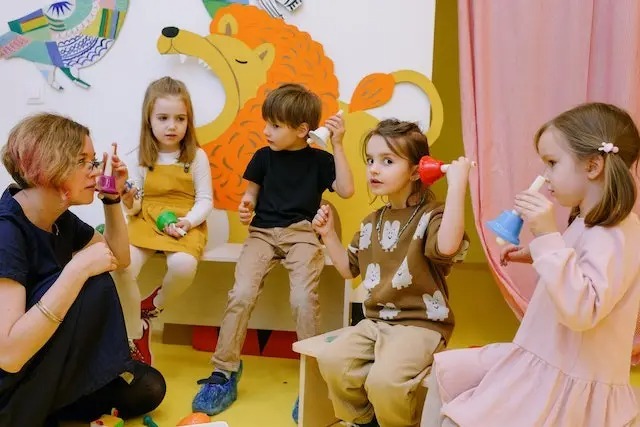
Group sessions for child development therapy bring kids together in a fun, supportive setting to practice key skills like sharing, listening, and teamwork alongside peers facing similar challenges. These sessions use games, role-playing, and group activities to boost social confidence, emotional awareness, and everyday independence in a natural way. Parents often notice quicker progress as children learn from each other, feel less alone, and carry these skills into school and home life.
Learn More